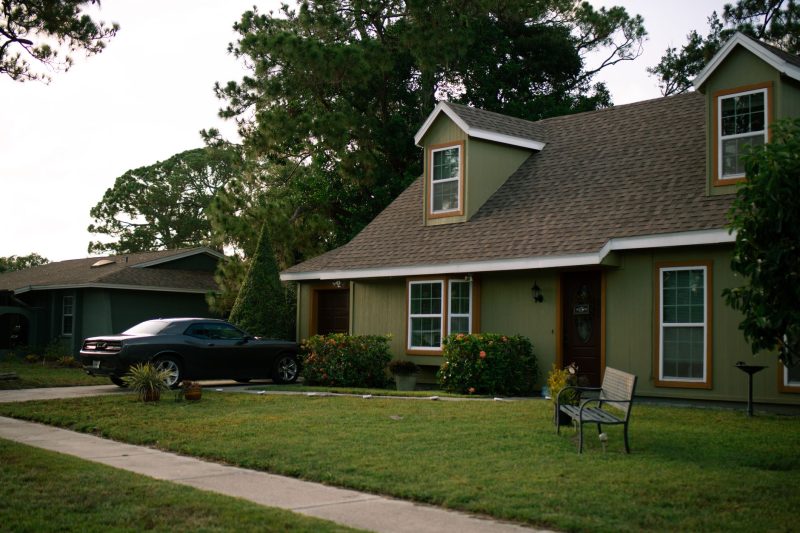
Buying your first home is equal parts exciting and intimidating—especially if you’re not sure how…
Conventional vs. FHA Mortgages: Choosing the Right Loan for Move-Up Buyers
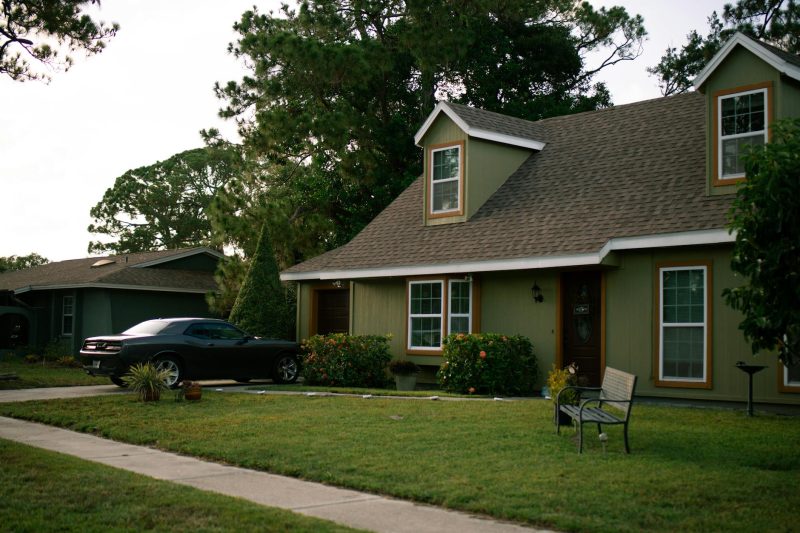
Buying a new home—whether it’s “bigger backyard” ambitions or just more elbow room—can be both exhilarating and a little exhausting.
A conventional loan is a mortgage not insured by the federal government, while an FHA loan is backed by the Federal Housing Administration and often features more flexible credit and down payment requirements.
In this article, we’ll help you untangle the biggest differences between Conventional and FHA loans, explore how each fits move-up buyers, and map out a strategy to move you from guessing to certainty in your next chapter.
Key Takeaways
- Purpose: Understand the main differences between Conventional and FHA loans for buyers looking to purchase their next home.
- Eligibility: Conventional loans often favor higher credit and down payment, whereas FHA loans can work for those with limited credit history or lower savings.
- Requirements: Conventional loans typically require a higher credit score and may offer flexible options on private mortgage insurance (PMI); FHA loans have set criteria and require upfront and annual mortgage insurance.
- Best For: Move-up buyers deciding between leveraging equity and improving terms (Conventional), or those needing more flexibility due to unique credit or cash situations (FHA).
Quick Answers
- Can I use either type of loan for my next home? Yes, both Conventional and FHA loans may be used for move-up purchases, depending on your credit, equity, and goals.
- Which loan has lower monthly payments? It depends—Conventional loans may offer lower payments for higher-credit borrowers, while FHA may be less expensive for those with lower credit early on.
- What’s the main trade-off between the two? Conventional loans offer flexibility and fewer long-term insurance costs for well-qualified buyers, but FHA loans open the door if you’re rebuilding credit or need a smaller down payment.
- Will my property type affect my choice? Both loan types work for single-family homes, but there are limits on condos, multi-unit properties, and renovation scenarios.
What’s the Real Difference Between Conventional and FHA?
At Mammoth Mortgage (NMLS# 2560979), we know that when you’re moving up, you need more than a rate quote—you need clarity about your options and how they align with your financial story. Let’s break down the core definitions you’ll encounter from the moment you start your next home search:
- Conventional Loans: Not backed by the federal government. These loans follow Fannie Mae or Freddie Mac guidelines and generally reward stronger credit, stable income, and higher down payment with more favorable terms. PMI (private mortgage insurance) is typically required if you put less than 20% down, but you can request removal once you reach enough equity.
- FHA Loans: Insured by the Federal Housing Administration. These loans allow for more lenient credit scores and as little as 3.5% down, but require both upfront and ongoing mortgage insurance premiums (MIP) for most of the loan term. Designed to be accessible—not just for first-time buyers but for anyone who needs a flexible path forward.
Why Does This Matter to Move-Up Buyers?
If you’re already a homeowner in Central Wisconsin—or the greater Stevens Point, Wausau, or Fox Valley areas—you’re probably juggling more than one consideration: maximizing your equity, managing debt-to-income, and making sure the next move fits your long-term plan. Here’s how each loan option lines up:
Conventional Loans: Leveraging Equity and Credit Strength
- Equity Matters: With home values rising across Central Wisconsin, many move-up buyers use equity from their current home as a sizable down payment, qualifying them for better rates and no PMI on a new Conventional loan.
- Credit is Key: Higher credit scores not only help you qualify, but can unlock lower overall costs—especially when combined with a larger down payment.
- PMI Flexibility: If you bring less than 20% down, you might still owe PMI, but you’ll have the ability to remove it once you pay down enough principal, keeping your future payments in check.
- Flexible Property Choices: Conventional loans shine if you’re considering condos, vacation homes, or certain fixer-uppers.
FHA Loans: When You Need Flexibility
- Lower Barriers to Entry: FHA’s credit and down payment requirements give move-up buyers more options if you’ve hit a credit speed bump or want to hang onto more cash for repairs or transitions.
- Structured Mortgage Insurance: FHA requires both an upfront and ongoing MIP, which may last for the duration of the loan (depending on your down payment). This is a trade-off for lower minimum requirements.
- Specific Property Guidelines: The property must meet certain standards—a consideration if you’re looking at older homes or those needing major renovation.
- Accessible for Jumbo Needs: FHA loan limits may not work for high-priced homes, so always check current guidelines relevant to your move-up budget.
Conventional vs. FHA: A Side-by-Side Comparison
| Feature | Conventional | FHA |
|---|---|---|
| Minimum Down Payment | As low as 3% (with qualifying criteria) | 3.5% (if eligible) |
| Credit Score Requirements | Typically higher; varies by lender | More flexible, lower minimums allowed |
| Mortgage Insurance | PMI required if less than 20% down; can be removed | Upfront and annual MIP required; rules on duration differ |
| Property Standards | Flexible; condos, some multi-units, second homes | Must meet FHA guidelines; stricter on condition |
| Loan Limits | Conforming limits—varies by county | Lower limits—check for current numbers |
Choosing a Loan: Strategy Over Guesswork
We believe good decisions start with clarity, not just a cost comparison. Here’s our take on how to decide between Conventional and FHA as a move-up buyer:
- Credit and Down Payment: If your credit and available equity are both strong, Conventional can keep your long-term costs lower, especially once PMI drops off. If you’re navigating a recent credit hiccup or smaller down payment, FHA may get you in the door—just budget for the insurance costs.
- Plans for Your Next Home: Think about what you’re thinking and feeling in the big picture—not just today’s payment. If you’re planning to stay put for a long time and want future payment flexibility, Conventional becomes even more compelling.
- Long-Term Cost of Mortgage Insurance: FHA’s MIP doesn’t always fall off like PMI, so it’s worth calculating the “total cost” of each scenario. We walk clients through this using a detailed Total Cost Analysis so you’re choosing with confidence, not a shot in the dark.
How We Guide You as a Trusted Advisor
This is where it gets personal—no, not “overly nosy at Thanksgiving” personal, but focused on your goals, your equity, your comfort zone. We use a consultative approach where “Speed to Certainty” isn’t about how fast you can close: it’s about how quickly you get clarity on the right decision for your family and future. Whether we’re working with folks in Schofield, Eau Claire, Green Bay, or anywhere in Central WI, our clients never feel like a transaction.
Next Steps: Let’s Put Your Plan in Motion
Moving up is a big move—but it doesn’t have to feel like a mystery box.
Let’s connect for a real-world conversation. Call, text, or email us and we’ll review your scenario, run the numbers, and lay out all your options side-by-side.
From pre-approval planning to move-in day, our team is here to set your strategy so you can approach your next purchase with certainty.
Frequently Asked Questions
Can I switch from an FHA to a Conventional loan in the future?
Yes, many buyers start with an FHA loan for flexibility and later refinance into a Conventional loan to remove ongoing mortgage insurance, provided they qualify for the new program at that time.
Is it easier to qualify for FHA or Conventional loans?
FHA loans generally have more flexible requirements regarding credit score and down payment, while Conventional loans typically favor higher credit and stable income. Your eligibility depends on your full financial picture.
What if I have significant equity in my current home?
Significant equity can make a Conventional loan more attractive by allowing a larger down payment, which may eliminate private mortgage insurance and improve available rates and terms.
Do FHA loans work for higher-priced homes?
FHA loans have maximum loan limits that vary by county; these limits may not cover higher-priced properties. Conventional loans may provide more flexibility for larger loan amounts, subject to conforming and jumbo thresholds.
What if I need to buy before selling my current home?
Buying before selling can impact your debt-to-income calculations. Both loan types may allow this, but you’ll need to qualify while carrying both mortgages unless you sell first, use a bridge, or leverage other assets. Talk with your lender about available strategies.
This is educational and not financial advice. Loan programs and guidelines can change. Talk with a licensed mortgage professional about your specific scenario.

About the Author
Adam Karcz
Owner at Mammoth Mortgage · NMLS #917109
Leads the company with a focus on people—staying connected to clients, showing up for our referral partners, and making sure the team is confident and delivers. I’m big on education, because when you understand your options, you make empowered decisions—and that’s where the magic happens.
Specializes in: Conventional, VA, FHA
Licensed in: WI
Related Posts