Buying your first home in Central Wisconsin can feel both exciting and daunting—especially when the…
First-Time Homebuyer Steps: Navigating FHA Loans with Confidence
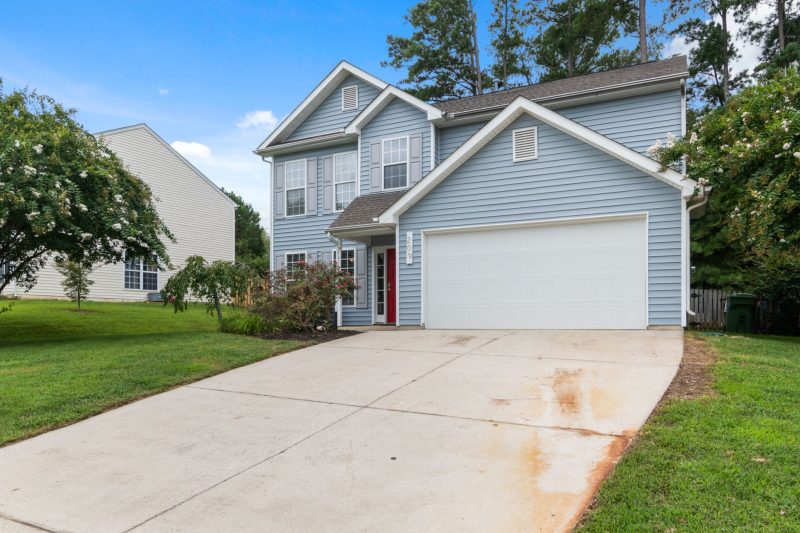
Buying your first home is exciting, but the financing side can feel downright intimidating. An FHA loan is a government-backed mortgage designed to help first-time homebuyers (and others) qualify with a lower down payment and flexible credit requirements. In this guide, we’ll break down what FHA loans are, the steps to get started, and what to expect throughout the process in Central Wisconsin and beyond.
Key Takeaways
- Purpose: FHA loans make homeownership possible for many first-time buyers with flexible credit and down payment options.
- Eligibility: Qualification is based on steady income, manageable debts, and meeting minimum credit and property standards.
- Timeline: The FHA process typically takes a few weeks from pre-approval to closing, but timing can vary.
- Best For: First-time buyers, those with limited down payment savings, or credit history that needs some flexibility.
Quick Answers: FHA Loan Basics for First-Time Buyers
- What is an FHA loan? An FHA loan is a mortgage insured by the Federal Housing Administration with low down payment requirements and flexible credit guidelines.
- How much do I need for a down payment? FHA loans allow for as little as 3.5% down, depending on your credit and scenario.
- Can I use gift funds or down payment assistance? Yes, you can often use gift money or many down payment assistance programs to cover some or all of your required funds.
- Is mortgage insurance required? Yes, FHA loans include upfront and ongoing mortgage insurance premiums, which help make the program accessible for more buyers.
What Is an FHA Loan?
Let’s cut through the jargon: An FHA loan is a mortgage insured by the Federal Housing Administration, designed to help buyers who may not qualify for conventional financing. That means more flexible credit, smaller down payments, and an overall friendlier path to homeownership—especially if you’re just starting out or have had some bumps along the way.
At Mammoth Mortgage (NMLS# 2560979), we see FHA loans open doors every day in Central Wisconsin, from Wausau to Wisconsin Rapids and the greater Fox Valley. Our team believes in strategy over guesswork—helping you make confident, educated choices, not just filling out paperwork and hoping for the best.
Step 1: Define What You’re Thinking and Feeling
Pause for a second. What are you thinking and feeling about this journey? Is your biggest concern your credit score? That down payment? Feeling lost on where to start? Good—naming your stress points is the first step. We’ll tackle them together, so you have clarity before numbers get involved.
Step 2: FHA Loan Requirements—An Honest Breakdown
- Credit Scores: Generally, minimums are lower than for conventional loans, but a stronger credit profile may expand your options or save you money over time.
- Down Payment: FHA allows you to put as little as 3.5% down, and that can come from your own funds, a family gift, or approved assistance programs.
- Income & Employment: Lenders look for stable, verifiable income. That doesn’t mean you must be at the same job for years, but some consistent history helps.
- Debt-to-Income Ratio: There are guidelines to keep your expected monthly payments manageable based on your gross income. Exceptions happen, but being in a healthy debt range is key.
- Property Standards: The home must meet basic safety and livability standards. No “fixer-upper” specials unless you’re ready for a renovation loan.
Bottom line: FHA is not a free pass, but it’s far more flexible than you may expect. Ask questions. Challenge assumptions. That’s how we find a strategy that fits.
Step 3: Get Pre-Approved—Speed to Certainty
Pre-approval is more than a piece of paper—it’s your first ‘yes’ in the homebuying process. We get it done quickly and clearly, so you know exactly what you can afford and sellers know you’re ready. It’s your ticket to tour homes confidently and make strong offers—especially in competitive Central Wisconsin markets.
This is where “speed to certainty” matters. Instead of waiting weeks in limbo or guessing what you qualify for, you’ll have answers from a trusted advisor who can translate the details into actionable steps.
Step 4: Start Your Home Search With Eyes Wide Open
With pre-approval in hand, your shopping list gets real. FHA loans work with single-family homes, select condos, and (sometimes) multi-unit properties if you’ll be living in one unit. Remember those property standards? Factor that in—no half-finished basements or homes missing essential systems. Your lender reviews those details at the offer stage, but knowing up-front saves time and headaches.
Local buyers in areas like Schofield, Stevens Point, and Merrill also have access to property search tools tailored specifically for FHA-eligible homes. Collaborate with your real estate agent and loan team to focus only on homes that check every box—financially and structurally.
Step 5: Submit Your Offer and Apply for Your FHA Loan
Once you find the one, it’s offer time. Your agent will help you negotiate, and we’ll guide you on structuring your offer for the best shot at success—whether that means a quick close, seller credits for closing costs, or creative down payment solutions.
The loan application process feels like paperwork-palooza, but our team will make it as painless as possible. We’ll walk you through every document, every number, every signature. No passing you off to mysterious call centers—just real people guiding you every step of the way.
Step 6: FHA Appraisal and Underwriting
Every FHA loan requires a special appraisal. It’s part value check, part health-and-safety inspection—ensuring the property meets those all-important FHA standards. You’ll pay for the appraisal (usually a few hundred dollars), and results can impact your purchase timeline or negotiations if repairs are required.
Next, your loan goes through underwriting—a deep dive into your application, documentation, and the property itself. Expect questions, requests for clarifications, and maybe an extra document or two. It’s not personal. It’s the system making sure everything lines up. Our job? Manage the process, keep you in the loop, and minimize surprises.
Step 7: Closing—Get the Keys!
When all the numbers add up and the paperwork is blessed by underwriters, it’s closing day. You’ll sign paperwork, review loan disclosures, and—barring any last-minute gremlins—finally get your keys. Not glamorous, but oh-so-satisfying.
Remember: the work doesn’t stop the day you move in. Have questions about payments, refinancing, or your home’s equity options down the road? We’re always just a call, text, or email away. This is a relationship, not a transaction.
FHA vs. Conventional: What’s the Difference?
| FHA Loan | Conventional Loan |
|---|---|
| 3.5% minimum down payment (may be gifted or assisted) | 3%–5% minimum down, stricter credit and income requirements |
| More flexible credit/DTI guidelines | Stronger credit history usually required |
| Upfront & monthly mortgage insurance required | Private mortgage insurance if under 20% down, may be cancellable later |
| Lower loan limits, property must meet FHA standards | Higher loan limits, broader property eligibility |
No two buyers or loans are identical. The right choice comes down to facts, not guesswork. Our job is to help you compare all your options side-by-side—so you make informed, empowered decisions, not just sign up for “what everyone else does.”
Down Payment Assistance and FHA Loans
One huge benefit of FHA: you can pair it with down payment assistance and gift funds. Central Wisconsin has multiple programs available for new buyers—some statewide, others hyper-local. Every program has its own qualification checklist, but many FHA buyers find these tools essential for making ownership a reality. Ask us to run the numbers and check your eligibility—sometimes, the difference is simply knowing what’s out there.
Local Service, Proven Process
Whether you’re house hunting in the heart of Wausau, the Fox Valley, or a smaller Central Wisconsin community, we know every step counts. FHA loans open doors—and we open them with you: direct advice, clear communication, real solutions. You’ll always get honest guidance over hype, and we won’t leave you guessing what comes next.
Ready to Make Your Move?
Buying your first home doesn’t have to be a mystery. Let’s start with a conversation to see where you stand, compare loan strategies, and lay out your best path—together. Curious about what you qualify for, how much you’ll need to close, or which program makes sense? Call, text, or email our team any time for a no-pressure review of your scenario. We’ll guide you through pre-approval planning and keep the process transparent, personal, and empowering from start to finish.
Frequently Asked Questions
Can I buy a fixer-upper with an FHA loan?
FHA loans require the property to meet minimum safety and livability standards. If you want to purchase a home that needs significant repairs, an FHA 203(k) renovation loan may allow you to finance improvements as part of your mortgage.
How long does it take to close on an FHA loan?
The FHA process is similar to other loans, typically taking several weeks from pre-approval to closing. Timelines can vary based on buyer preparedness, property specifics, and local market conditions.
Why do FHA loans have mortgage insurance?
Mortgage insurance helps protect lenders when buyers use smaller down payments or have less-than-perfect credit. FHA loans include both an upfront premium and ongoing monthly payments for this reason.
What documentation will I need for FHA loan approval?
You’ll usually provide pay stubs, W-2s, bank statements, ID, and details of any debts or other properties. Your lender may request additional documents based on your personal scenario or program guidelines.
Are FHA loans only for first-time buyers?
No, FHA loans are available to any qualified buyer who will occupy the home as their primary residence. However, their features are often most helpful to first-time buyers or those with limited savings.
This is educational and not financial advice. Loan programs and guidelines can change. Talk with a licensed mortgage professional about your specific scenario.

About the Author
Adam Karcz
Owner at Mammoth Mortgage · NMLS #917109
Leads the company with a focus on people—staying connected to clients, showing up for our referral partners, and making sure the team is confident and delivers. I’m big on education, because when you understand your options, you make empowered decisions—and that’s where the magic happens.
Specializes in: Conventional, VA, FHA
Licensed in: WI
Related Posts