Buying your first home is a huge milestone, but navigating your financing options can feel…
FHA Loans: Step-by-Step Guide to Buying Your First Home
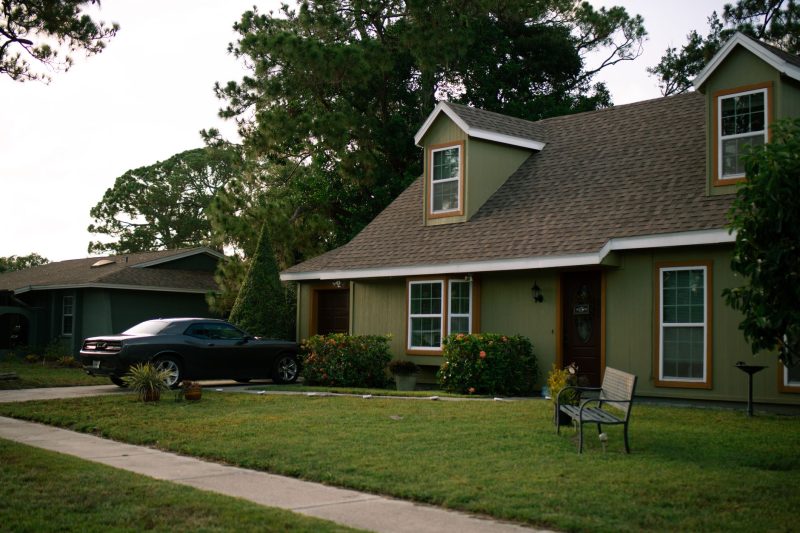
Buying your first home is equal parts exciting and intimidating—especially if you’re not sure how the mortgage puzzle fits together. FHA loans are government-backed mortgages designed to make homeownership more accessible for first-time buyers by reducing down payment requirements and easing credit standards. In this guide, we’ll unpack FHA loan basics, qualification steps, and what to expect right here in Central Wisconsin (and beyond).
Key Takeaways
- Purpose: FHA loans help first-time buyers and borrowers with limited savings purchase a home.
- Requirements: Minimum 3.5% down payment, flexible credit guidelines, and FHA-approved property.
- Timeline: The process typically takes 30-45 days, from pre-approval to closing.
- Best For: First-time homebuyers, buyers with moderate credit, or limited funds for down payment.
Quick Answers: FHA Homebuyer Essentials
- Is an FHA loan only for first-time buyers? No, but it’s especially popular with first-timers due to flexible requirements.
- What credit score do I need? Guidelines allow for lower credit scores than many conventional loans—exact minimums can vary.
- How much do I need for a down payment? Often as little as 3.5% of the purchase price, depending on your credit profile.
- Can I use gift funds or assistance? Yes—FHA allows gifts from family and some down payment assistance programs.
- What properties qualify? Single-family homes, some condos, and approved multi-unit properties that meet FHA standards.
What Is an FHA Loan?
FHA loans are mortgages insured by the Federal Housing Administration, a branch of the U.S. Department of Housing and Urban Development (HUD). The key idea: the government provides insurance to the lender, reducing their risk if a borrower defaults. This opens the door for more buyers who might not qualify under conventional loan rules—maybe your credit isn’t perfect or your down payment piggy bank isn’t overflowing. If that sounds like you, well, you’re absolutely not alone.
The team at Mammoth Mortgage (NMLS# 2560979) specializes in guiding Central Wisconsin buyers through the FHA process with strategy over guesswork—because we know clarity builds confidence.
How Does an FHA Loan Work?
Think of an FHA loan as a partnership: you bring your income, credit, and a chunk of cash for the down payment; the government brings insurance (but not actual funds), making lenders more comfortable and flexible. You’ll work with an FHA-approved lender who manages the application, paperwork, and funding. Upfront and monthly mortgage insurance premiums (MIP) are required—yes, that’s an extra cost, but that’s what drives the lower barrier to entry.
- Minimum down payment: 3.5% if you meet credit requirements.
- Credit: FHA accepts a wider range of scores than typical conventional options.
- Mortgage Insurance: Both upfront and ongoing MIP payments apply (plan for this in your budget).
- Residency: The home must be your primary residence—no vacation homes.
If you want to go deeper on mortgages, check out our FHA Home Loan details.
Step 1: Start with a Conversation & Pre-Approval
Before touring your future home, we start by talking about what you’re thinking and feeling—the excitement and nerves, as well as your “must-have” list and budget range. Pre-approval gives you Speed to Certainty: you’ll know exactly what you can afford, and sellers know you’re a serious buyer.
- Document review: Gather pay stubs, tax returns, bank statements, and ID.
- Credit check: FHA is forgiving, but we’ll walk you through what your credit looks like and what options you have.
- Budget consultation: We’ll run a Total Cost Analysis for first-time buyers so you understand all the numbers, not just the rate.
Pro tip: Getting pre-approved before house-hunting lets your realtor (and the seller) know you are ready to make a move—not just window shopping.
Step 2: Shop for Your Home
Armed with a clear price range, you can shop with confidence—no more guessing if a home is “within reach.” When you find the right fit, you’ll submit an offer and negotiate terms. Your realtor will guide you, but our team stays in your corner for real-time numbers, questions, or even encouragement if the process gets bumpy.
- Offer accepted? We’ll work with your agent to start the loan file.
- The home must meet FHA property standards—safety, soundness, and livability come first.
Step 3: FHA Appraisal & Processing
Once your offer is accepted, your lender orders an FHA appraisal. This isn’t just about the value—appraisers confirm the home meets FHA’s habitability guidelines (think walls, roof, utilities… but also sometimes quirky things like missing handrails or peeling paint).
- If repairs are required, the seller typically addresses them before closing.
- Your loan moves into underwriting, where all the puzzle pieces are verified—income, assets, credit, property.
Reminder: The FHA appraisal protects you (and the lender) from surprises down the road.
Step 4: Underwriting & Conditional Approval
The underwriter reviews every detail—making sure nothing was missed, all documentation matches, and you meet FHA guidelines. If additional info is needed (it happens), we’ll let you know what and why. Once cleared, you’ll get a conditional approval—final sign-off often depends on final appraisals or last document tweaks.
Step 5: Clear to Close & Funding
All conditions met? Now comes “clear to close.” Expect a final review of your closing disclosure (double-check the numbers), then a scheduled closing date where you’ll sign, pay your down payment and closing costs, and… get your keys! Most first-time FHA transactions in Central and Northern Wisconsin close within 30–45 days, give or take.
What Are FHA Loan Requirements?
FHA guidelines can—frankly—feel like alphabet soup. Here’s what matters most:
- Down Payment: 3.5% minimum (for those who qualify—higher if your credit score is lower).
- Credit: FHA is more flexible, but the higher your score, the easier the process.
- Income: Must show stable, sufficient income to cover payments (W-2, self-employed, etc. ask for specifics).
- Debt-to-Income: FHA allows higher DTI ratios than many other loan options.
- Property: The home must meet FHA safety and habitability standards.
- Occupancy: You must intend to live in the home as your primary residence.
- Loan Limits: Conforming loan limits vary by county—ask us what applies for your scenario.
FHA vs. Conventional: What’s the Difference?
| Feature | FHA Loan | Conventional Loan |
|---|---|---|
| Minimum Down Payment | 3.5% (with qualifying credit) | Typically 3%–5% (for qualified buyers) |
| Credit Requirements | More flexible; lower minimum scores accepted | Stricter; higher minimum scores preferred |
| Mortgage Insurance | Upfront & monthly MIP required | PMI required with low down payment, can cancel later |
| Property Standards | Must meet FHA safety standards | Needs to appraise; fewer repair requirements |
| Who It’s For | First-time buyers, thin credit, low savings | Stronger credit, bigger down payment |
If you’re weighing which loan fits your goals (or want more low down payment options), see our Low Down Payment Purchase Options.
Can I Use Down Payment Assistance with FHA?
Absolutely—you can combine down payment assistance programs with FHA loans, which is a great way to reduce upfront costs. Gifts from family, grants, or qualified local housing programs are all common. Our consultative approach means we’ll explore all possible avenues together to maximize your buying power.
The Mammoth Difference: Strategy Over Guesswork
At Mammoth Mortgage, we’re dedicated to being your trusted advisor—not just plugging in numbers or quoting rates. We know every buyer is unique, and that’s why we focus on education, transparency, and total cost clarity. From Wausau to the Fox Valley, whether you’re buying, comparing FHA vs. conventional, or looking to maximize every dollar, we don’t do cookie-cutter solutions.
Our clients tell us that working with local experts, who really know Central Wisconsin, makes all the difference. Why? Because you get real answers, real speed, and no pre-approval guesswork—just a confident game plan that puts you in control.
Ready to Take the First Step?
If you’re thinking about buying your first home—or just want to see if FHA makes sense for your scenario—let’s talk. Call, text, or email us to review your options, get a clear side-by-side analysis, and map out your ideal next steps. Smart pre-approval planning now means fewer surprises (and more high-fives) at the closing table.
Frequently Asked Questions
Can I qualify for an FHA loan if my credit isn’t perfect?
FHA loans are designed to be accessible for borrowers with a range of credit scores, including those with less-than-perfect credit. Lenders will consider your overall financial scenario and credit history, so it’s always best to talk with a mortgage professional about your specific situation.
How long does it take to close an FHA loan?
Most FHA loans close within 30 to 45 days, but timing can vary based on the property, repairs, and paperwork. Starting with complete documentation and a strong pre-approval helps ensure a smooth process.
Do I have to be a first-time buyer to use an FHA loan?
No—FHA loans are available to all eligible buyers, not just first-timers. However, their flexible guidelines and lower down payment requirements often make them especially attractive for those purchasing their first home.
Can I roll closing costs into my FHA loan?
In some cases, yes—you may be able to finance certain allowable closing costs or negotiate for the seller to pay a portion. We’ll review your estimate and talk strategy during your initial consultation.
Is mortgage insurance required on FHA loans?
Yes, FHA loans require both an upfront and annual mortgage insurance premium. The exact amount depends on your loan details, but mortgage insurance protects the lender and enables the program’s low down payment feature.
This is educational and not financial advice. Loan programs and guidelines can change. Talk with a licensed mortgage professional about your specific scenario.

About the Author
Adam Karcz
Owner at Mammoth Mortgage · NMLS #917109
Leads the company with a focus on people—staying connected to clients, showing up for our referral partners, and making sure the team is confident and delivers. I’m big on education, because when you understand your options, you make empowered decisions—and that’s where the magic happens.
Specializes in: Conventional, VA, FHA
Licensed in: WI
Related Posts